Enabling Older Adults to Prioritize Physical Activity Through Structured Training Recommendations
Wiki Article
Keeping physically engaged is crucial for individuals of all ages, but it becomes especially vital as persons grow older. For elders, consistent movement supports maintaining self-reliance, improves flexibility, and enhances general health. Comprehensive exercise guidelines deliver seniors with organized strategies to fitness that cover balance, mobility, power, and endurance. By following well-designed workout recommendations, older participants can improve their daily function while minimizing the chances of falls, chronic diseases, and mental health challenges.
Staying fit for older adults is not restricted to intense routines or heavy gym workouts. It centers instead on low-impact, steady, and maintainable activity that fits individual fitness conditions. Exercises such as walking, stretching, yoga, and light resistance training assist preserving limberness and strength. Cardiovascular exercises like aqua aerobics or stationary cycling enhance circulation, which are vital for supporting daily energy and performance. These forms of activity also support brain health, as findings have indicated that consistent activity can boost memory, outlook, and mental performance.
Holistic training plans prioritize a well-rounded strategy to wellness, covering muscular, emotional, and community aspects of well-being. Older adults are guided to start gradually and advance at a steady rate, ensuring security while preventing overexertion. Adding warm-up and cool-down routines reduces muscle soreness, while proper fluid intake and meal balance enhance exercise routines. Additionally, community-based programs—such as group fitness classes or community walking programs—offer avenues for companionship, encouragement, and emotional support, which are equally important to complete fitness.
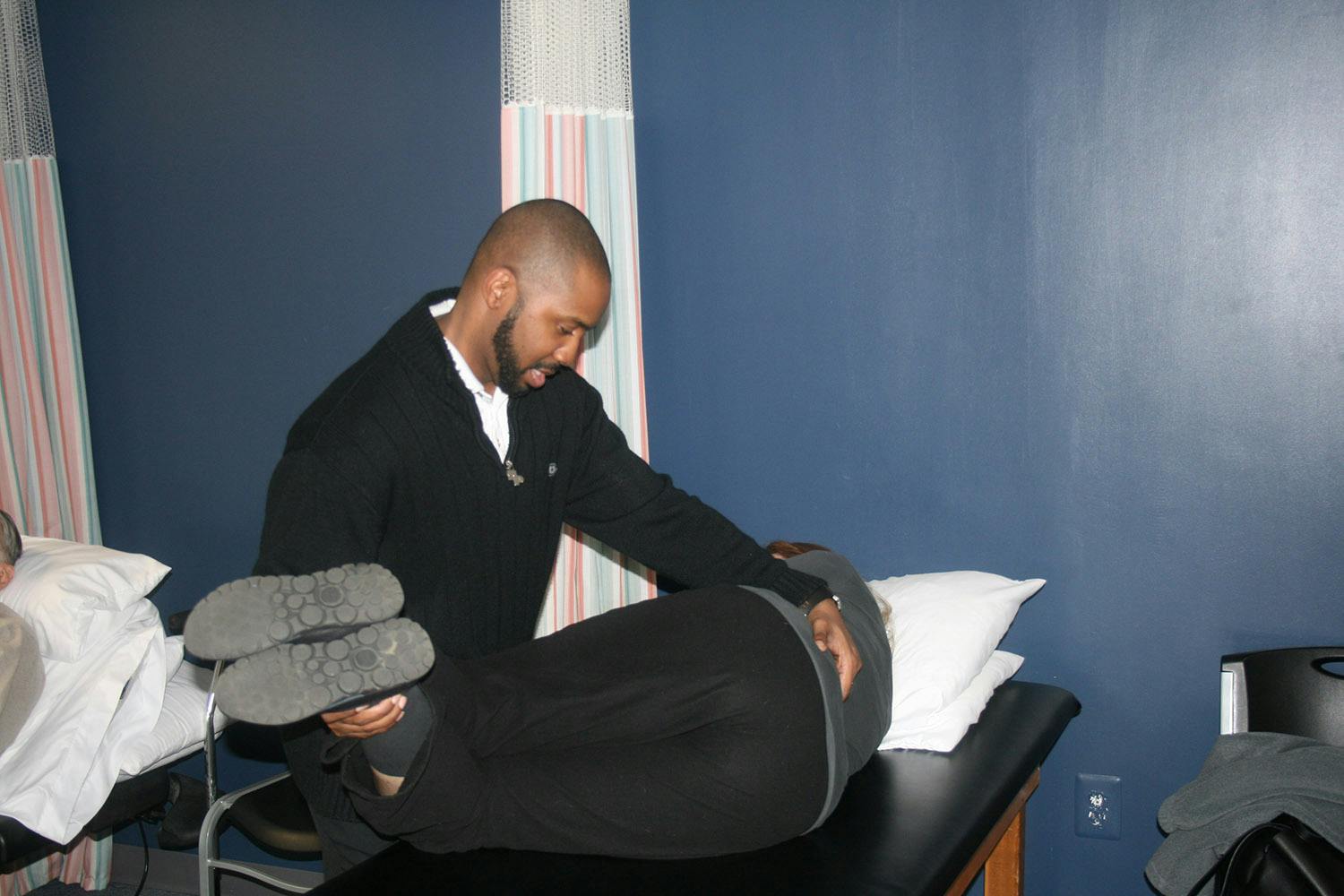
Expert assistance serves a important part in supporting older adults this post build tailored exercise plans. Consulting medical professionals, mobility experts, or certified fitness trainers ensures that plans are aligned to individual needs, endurance, and targets. These experts can recommend appropriate training methods that account for elements such as arthritis, osteoporosis, or heart health concerns. Through regular monitoring best site and revision, fitness routines stay productive and rewarding, encouraging long-term participation and success.
In conclusion, motivating older adults to adopt fitness through inclusive training recommendations builds a community of lifelong movement. When participants are equipped with information, motivation, and organized systems, they gain assurance in their strength and experience greater freedom. Consistent movement improves not only muscle capacity but also mental clarity and emotional resilience. By supporting adaptive, professionally structured training systems, communities can enable that each older adult has the chance to enjoy a active, engaged, and rewarding journey.